
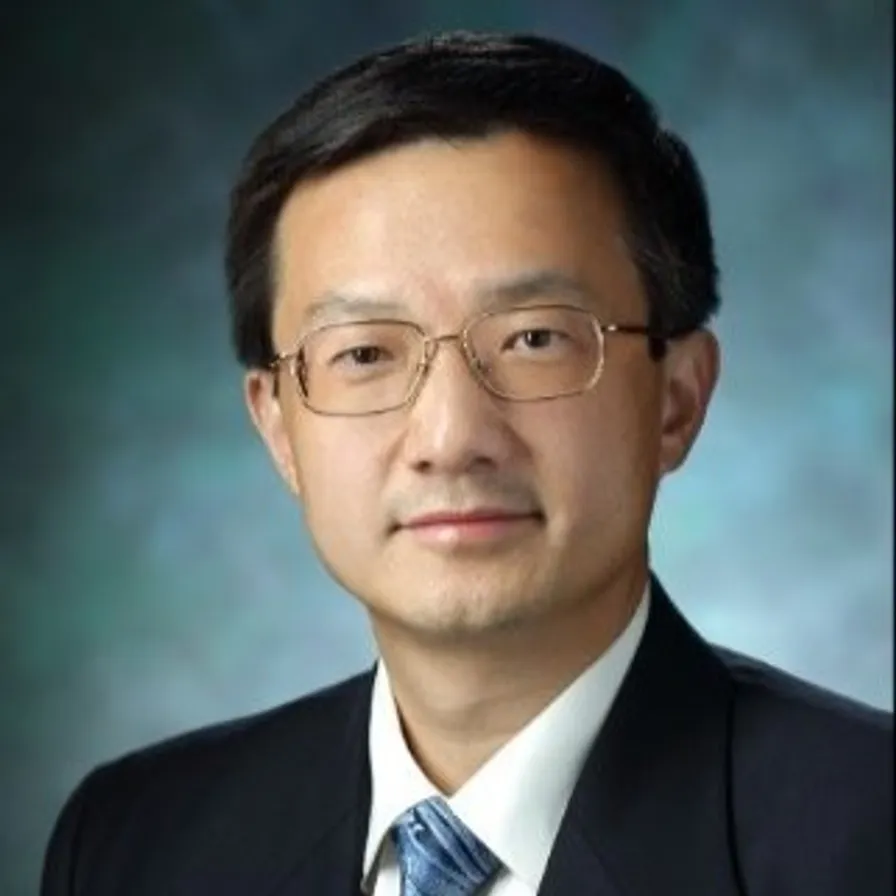
About Dr. Qihong Wang
I am a senior medical researcher with 20 years of laboratory experience in the United States, with extensive expertise in animal survival surgery and microsurgical techniques across multiple species, including mice, rats, rabbits, guinea pigs, and swine. My technical skill set includes telemetry implantation, vascular access button placement, advanced vascular cannulation, and long-term postoperative management. I have developed and executed robust in vivo models of cardiac arrest, hemorrhagic shock and resuscitation, extracorporeal cardiopulmonary resuscitation (eCPR), and solid organ transplantation, supporting both mechanistic studies and translational therapeutic evaluation.
I have substantial experience establishing and operating small- and large-animal surgical research facilities, including equipment selection and setup, protocol development and optimization, personnel training, and regulatory compliance. I have successfully established rabbit and swine hemorrhagic shock models incorporating automated, closed-loop resuscitation systems designed to mimic battlefield and austere trauma resuscitation scenarios. In addition, I have developed and validated clinically relevant swine models of acute lung injury using both lipopolysaccharide (LPS) and oleic acid–induced injury paradigms to study lung inflammation, vascular permeability, and gas exchange dysfunction.
My large-animal research portfolio also includes swine eCPR models with integrated hemodynamic monitoring, cerebral perfusion assessment, and post-resuscitation injury characterization, as well as pressure–volume (PV) loop studies to assess cardiac function, ventricular–arterial coupling, and myocardial recovery following ischemia–reperfusion injury.
I am well-versed in preclinical pharmacokinetic and pharmacodynamic (PK/PD) study design, including dosing strategies, biospecimen collection, and translational data interpretation. My training includes a strong foundation in medical basic sciences and pediatric surgery clinical training in China, complemented by postdoctoral research training at Johns Hopkins University. I maintain current expertise in physiology, immunology, genetics, and molecular biology.
I am proficient in data analysis using GraphPad Prism and bring strong time management, organizational, and written and verbal communication skills. I have experience with NIH- and AHA-sponsored grant applications and work effectively in collaborative, multidisciplinary research environments.