
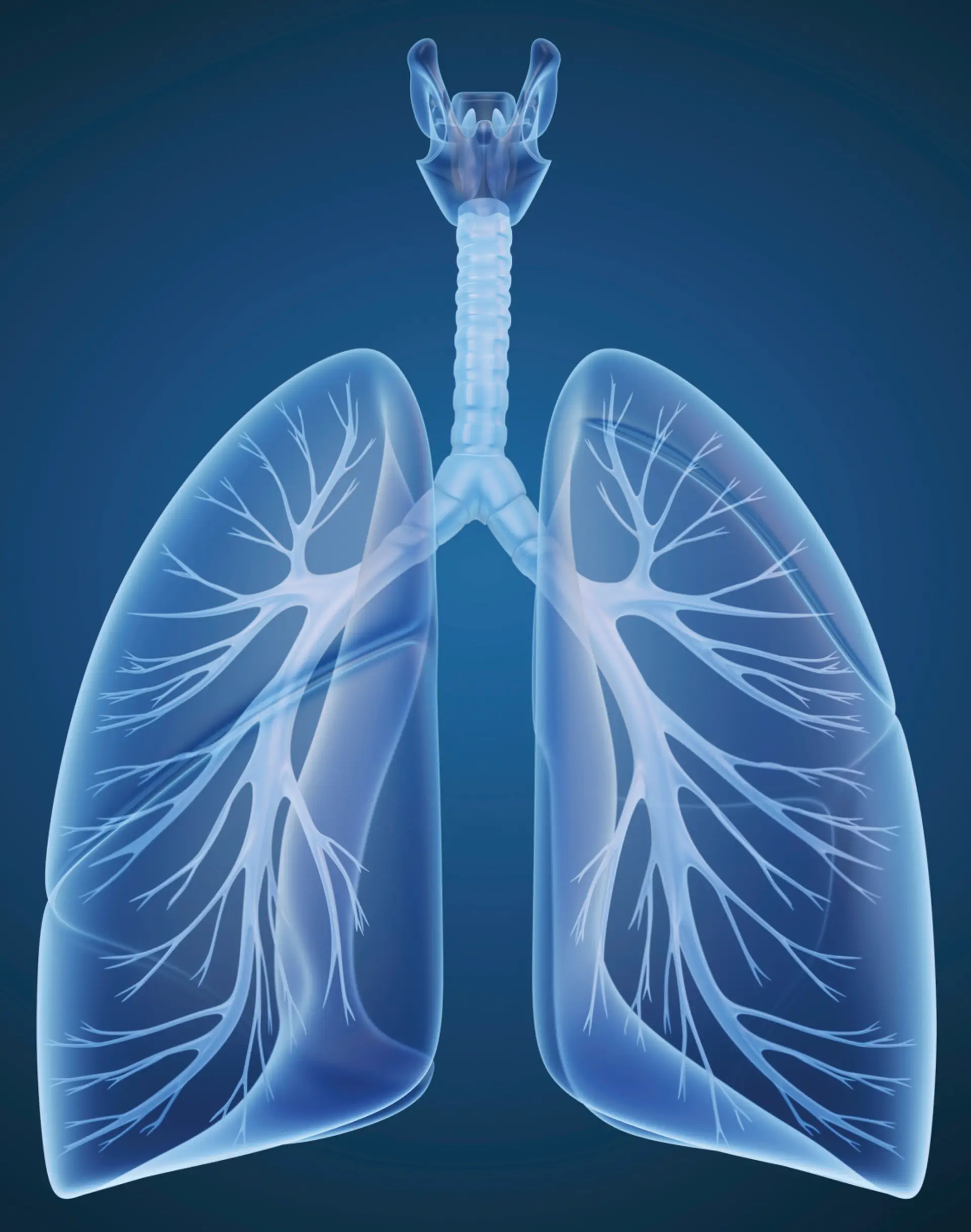
Organ failure is not a binary event, but a dynamic systems process shaped by mechanical stress, inflammation, metabolic demand, vascular regulation, and multi-organ interactions. At ASPIRE, we investigate the mechanisms that govern physiologic decompensation and recovery across organ systems, with particular emphasis on cardiopulmonary failure.
Our goal is to define the physiologic state of failing organs — quantitatively, mechanistically, and dynamically — so that therapies can be designed to restore function rather than simply compensate for loss.
Systems-Level Physiology of Organ Dysfunction
We study how organs respond to acute and chronic stress using integrative, translational models that allow controlled perturbation and high-resolution physiologic measurement. Rather than focusing on isolated pathways, we examine how mechanical forces, gas exchange, hemodynamics, and inflammatory signaling interact to drive dysfunction.
Key areas of investigation include:
- Mechanisms of lung injury and impaired gas exchange
- Cardiopulmonary coupling during physiologic stress
- Multi-organ interactions in states of shock and respiratory failure
- The propagation of mechanical and inflammatory injury
- Physiologic determinants of recovery versus progressive failure
This systems-based perspective allows us to move beyond descriptive classifications toward mechanistic characterization.
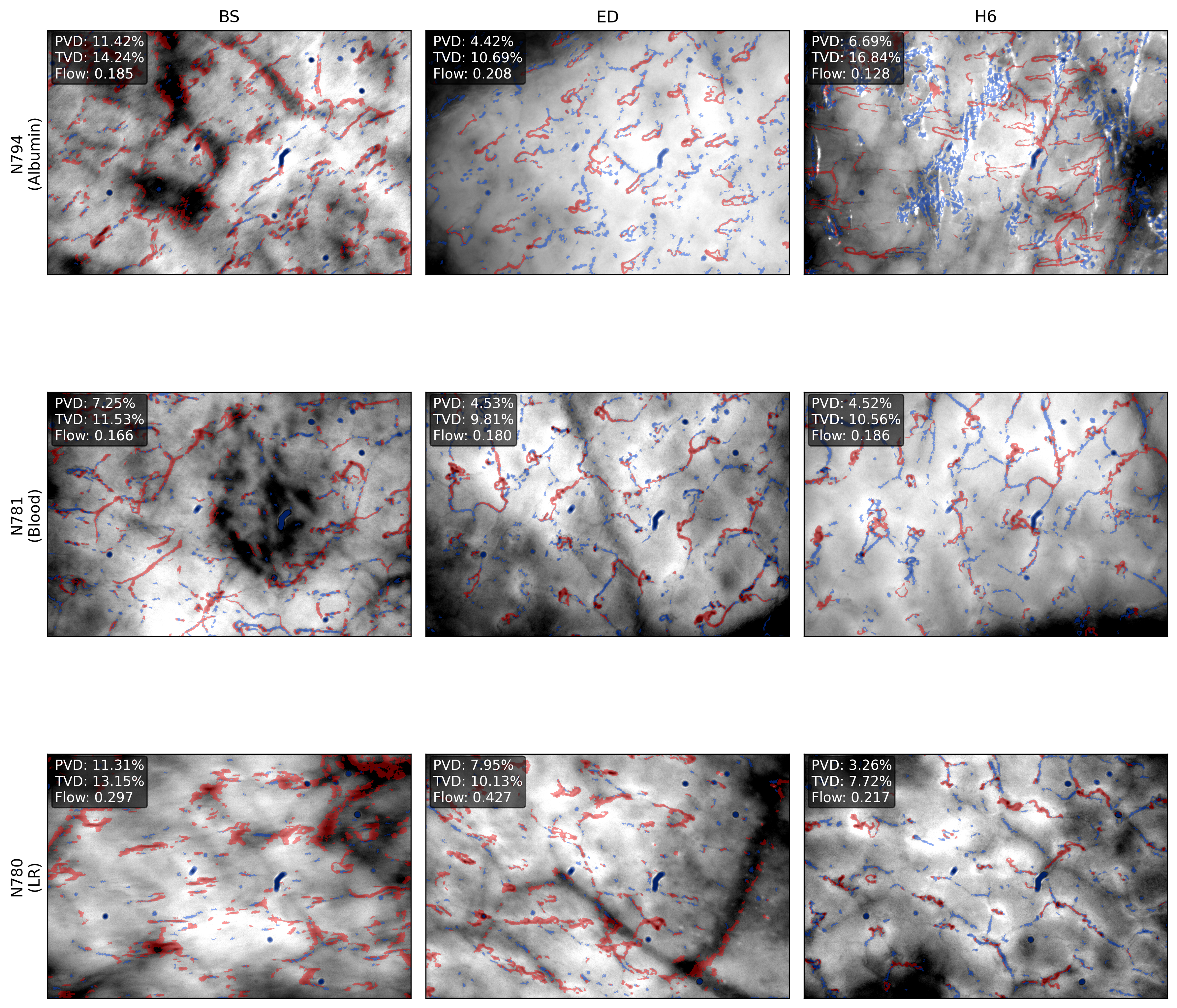
Translational Experimental Platforms
A central strength of our laboratory is the use of translational large-animal models that enable precise physiologic control and continuous measurement under clinically relevant conditions. These platforms allow us to:
- Reproduce clinically meaningful patterns of organ failure
- Apply controlled mechanical and metabolic perturbations
- Measure high-fidelity hemodynamic and respiratory variables
- Test mechanistically informed interventions
By integrating experimental control with clinical realism, we generate data that bridge laboratory discovery and bedside application.
Quantifying Physiologic Stress
Organ failure emerges from imbalance — between demand and supply, injury and repair, stress and compensation. We seek to quantify these imbalances through advanced physiologic measurement and modeling.
Our work aims to:
- Characterize physiologic stress thresholds
- Define compensatory reserve and decompensation dynamics
- Identify early markers of instability
- Distinguish reversible dysfunction from irreversible injury
Through quantitative characterization of physiologic state, we lay the foundation for smarter, earlier, and more targeted interventions.
From Mechanism to Intervention
Understanding mechanisms is not an end in itself. The insights generated in this research pillar directly inform:
- Engineering strategies for organ support
- Optimization of device–organ interactions
- Development of predictive computational models
- Data-driven personalization of therapy
By grounding innovation in mechanistic physiology, we aim to improve both the safety and effectiveness of emerging technologies and clinical strategies.