
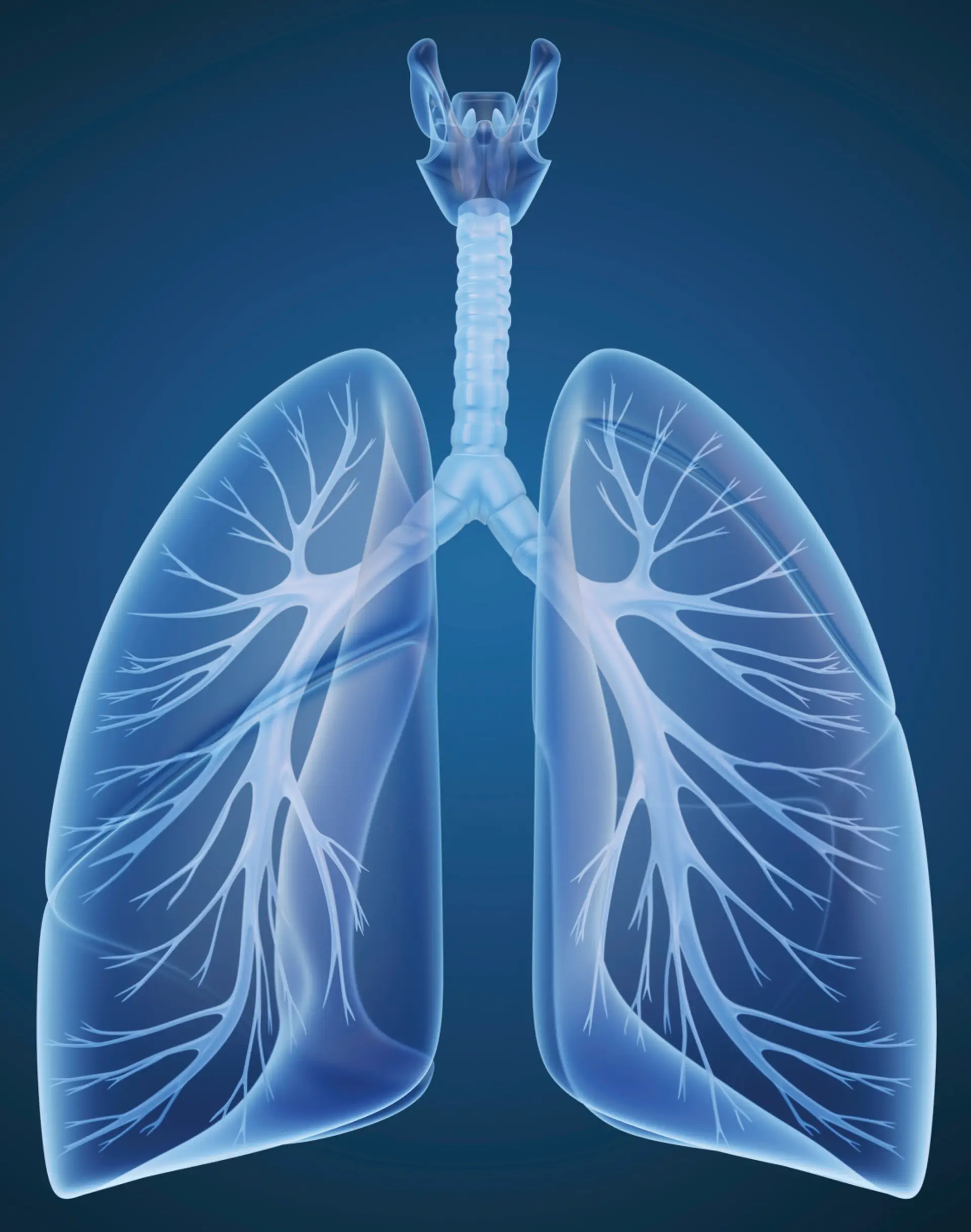
Modern healthcare generates extraordinary volumes of physiologic data — yet much of it remains underutilized. At ASPIRE, we develop computational and quantitative frameworks that transform complex biological signals into actionable insight.
Our goal is to define physiologic state with precision: to characterize how organs function in real time, predict how they will respond to therapy, and guide interventions that improve patient outcomes.
Quantitative Modeling of Complex Physiologic Systems
Organ function emerges from interacting mechanical, biochemical, and circulatory processes. We build mathematical and computational models that capture these interactions across scales.
Our modeling efforts include:
- Systems-level modeling of lung and cardiopulmonary function
- Ventilation–perfusion and gas exchange dynamics
- Hemodynamic–respiratory coupling
- Multi-compartment and multi-scale physiologic models
- Integration of experimental and clinical datasets
These models allow us to move beyond descriptive metrics toward mechanistic characterization and predictive insight.
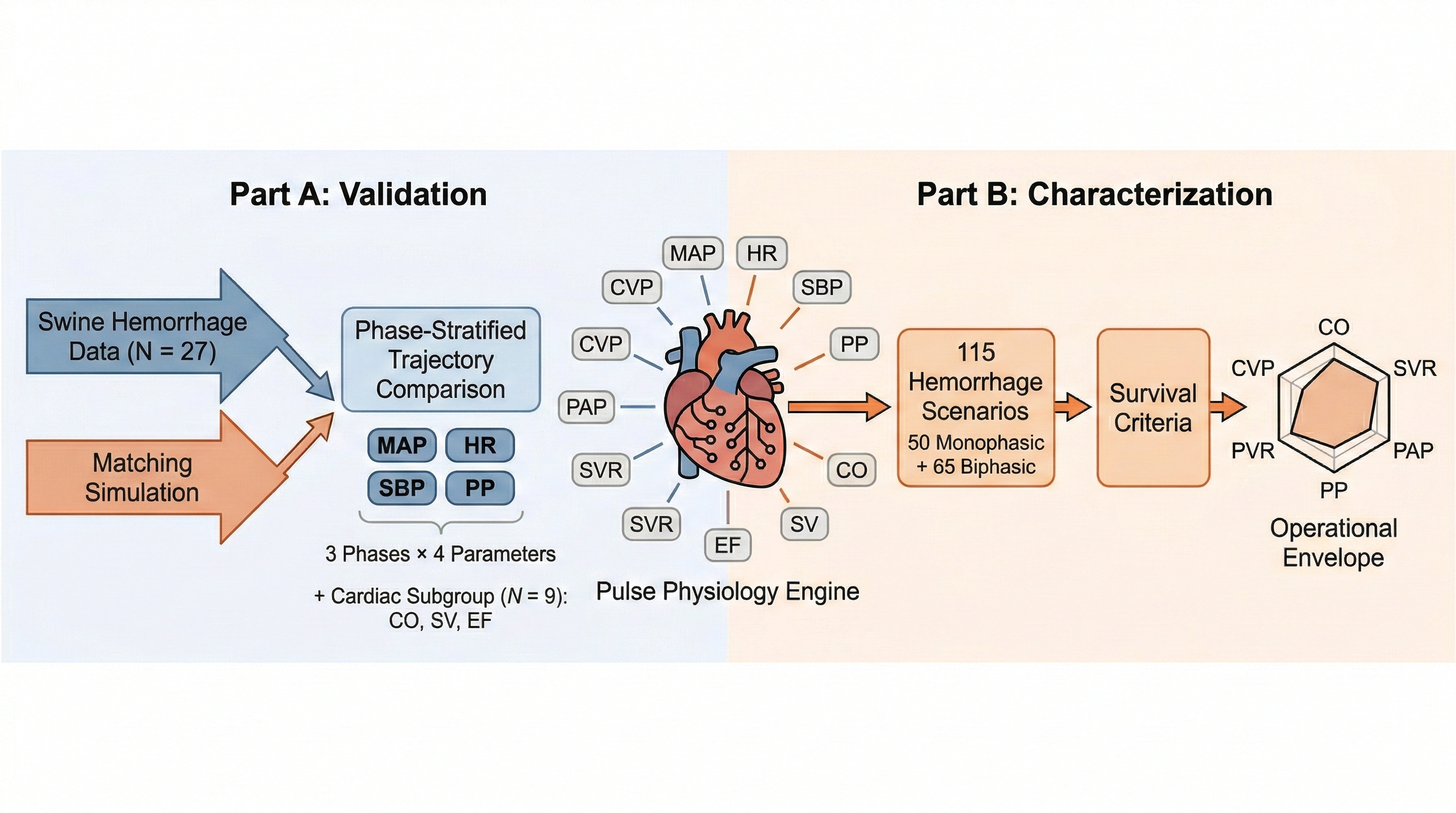
Advanced Analysis of Physiologic Monitoring Data
Healthcare environments generate high-frequency waveform data from ventilators, hemodynamic monitors, and extracorporeal systems. We apply advanced signal processing, machine learning, and statistical modeling to extract clinically meaningful information from these complex streams.
Our work includes:
- High-resolution waveform analysis
- Detection of early physiologic instability
- Phenotyping of organ dysfunction
- Identification of response patterns to therapy
- Development of predictive and decision-support algorithms
Importantly, these tools are designed to extend across healthcare domains — from critical illness to broader applications in physiologic monitoring and regenerative therapies.
AI-Enabled Precision Medicine
Artificial intelligence is most powerful when grounded in physiologic understanding. At ASPIRE, we integrate mechanistic models with machine learning approaches to create hybrid systems that combine interpretability with predictive strength.
Our objectives include:
- Real-time estimation of physiologic state
- Personalized titration of organ support strategies
- Prediction of therapeutic response and recovery trajectories
- Adaptive and intelligent control of device-based therapies
By embedding physiologic insight within intelligent systems, we aim to transition from reactive treatment to predictive, precision care.
An Integrated Computational Platform
Our computational work is tightly linked to our experimental and engineering research. We integrate:
- Data from translational large-animal models
- Device performance metrics
- High-frequency clinical monitoring data
- Mechanistic mathematical models
This integrated platform enables rigorous validation, rapid hypothesis testing, and accelerated translation from algorithm development to real-world clinical application.
Beyond a Single Clinical Domain
While many applications arise in organ support and acute illness, the computational frameworks developed at ASPIRE are broadly applicable across healthcare. Our approach is designed to scale — enabling data-driven physiologic insight wherever high-resolution monitoring and advanced technologies intersect with patient care.